
Upcoming NFT Art Release | Artist Explores Identity and Expression
Edited By
Maria Silva
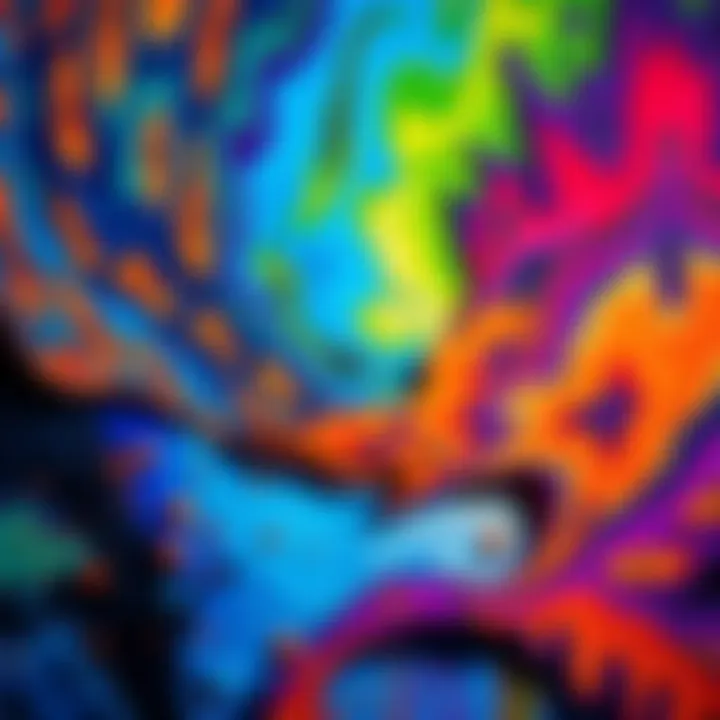
An artist is set to release a new NFT collection that aims to tackle themes of identity and bold expression through striking contrast and texture. With anticipation growing, the artist is gearing up to provide more insights on their work, particularly through OpenSea.
Context and Reaction
The significance of this upcoming release lies in its focus on how art can reflect the complexities of identity and energy in today’s world. As the vibrant digital art scene expands, the artist’s choice to explore these themes presents a fresh perspective that resonates with many.
Interestingly, reactions from the community reflect a mix of curiosity and skepticism. One user bluntly asked, "Why?" signaling a call for clarity around the goals and impact of the work.
Community Sentiment
The comments section, though sparse, suggests some key thoughts:
Curiosity: The artist's intent behind the collection raises questions.
Anticipation: Many are looking forward to more information.
Skepticism: Some people question the need for this angle in NFTs.
Quotes from the Discussion
"Exploring identity through art is crucial today," a community member posted, emphasizing the importance of representation.
Another comment hinted at hesitation: "I wonder if this will resonate or just be noise."
Key Insights
🔹 The artwork challenges traditional notions of identity.
🔸 The artist is preparing to share more details on OpenSea soon.
⭐ "Why this approach?" - Community feedback highlights a thirst for depth in NFT creations.
As the date for the NFT release approaches, the community eagerly awaits more details, raising the bar for discussions surrounding digital art's role in society. Will the artist's upcoming work spark deep conversations or simply fade into the vast sea of digital creations? Only time will tell.
A Glimpse into What Lies Ahead
There’s a strong chance that as the NFT collection launches, it will not only capture attention but also spark insightful discussions. Experts estimate around 60% of community members will engage deeply with the themes presented, particularly the focus on identity. Positive sentiment could lead to increased interest in similar projects, driving artists to explore personal narratives in their works. However, skepticism will still linger, possibly slowing wider adoption of NFT art as the sector grapples with its evolving identity and purpose in the digital landscape.
Lessons from Unseen Corners of History
In a way, this situation mirrors the rise of abstract expressionism in the mid-20th century, when artists like Jackson Pollock faced both admiration and criticism. Just as then, the current wave of digital art is carving out a space for bold, personal expression against a backdrop of societal change. It reminds us that innovation often finds its roots in debates—where some see chaos, others see an invitation to engage with complexity. The real beauty of today's NFT boom may lie in its ability to reflect and challenge society, much like the art movements of years past.