
Bored Ape Yacht Club Toy Sparks Controversy | Art Object or Artistic Failure?
Edited By
Sofia Chen
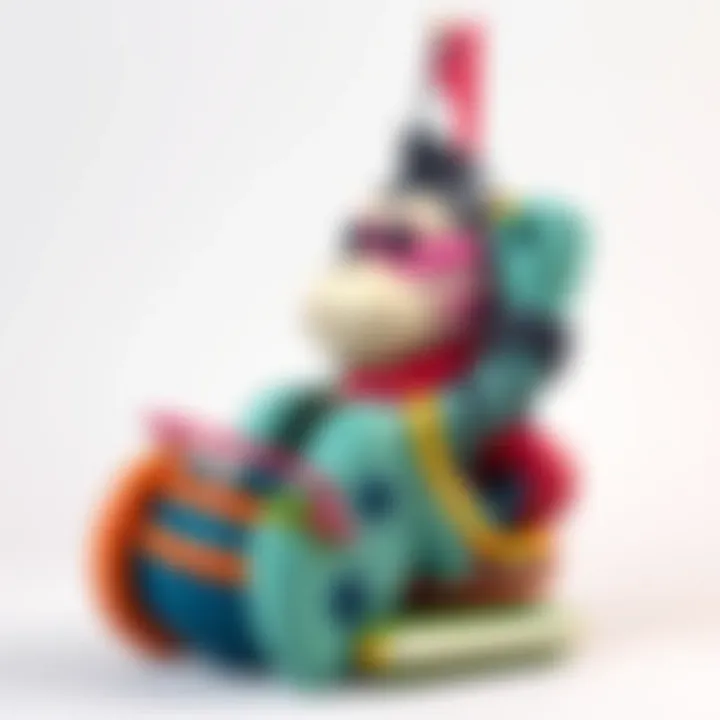
A recent release of an art toy sculpted by Jearbear related to the popular Bored Ape Yacht Club has ignited a heated discussion in various forums. The conversation centers around the quality of the piece, with sharp criticisms emerging from the community shortly after its unveiling on May 17, 2026.
Criticism from the Community
While an art toy would ideally celebrate the innovative culture surrounding Bored Ape, many people have expressed their dissatisfaction. Comments include extremely negative responses like "Atrocious" which suggest that expectations were not met. The backlash raises questions about the standards of collectible art toys.
User Sentiment and Themes Identified
Quality Concerns: Many users are questioning the craftsmanship of the toy, stating it doesn’t measure up to earlier collectibles.
Expectations vs Reality: There’s a clear discrepancy between what fans hoped for and what was delivered.
Value Proposition: Contributors are debating whether such art toys are worth the investment, especially given the negative feedback.
"Certainly not what I expected from a Bored Ape product!"
This sentiment is echoed throughout discussions, reflecting a broader skepticism toward new releases in the merchandise line.
Key Takeaways
🚫 Majority of comments labeled the new toy as subpar
💬 "People expected more from something tied to Bored Ape"
📉 Some users doubt the toy's resale value in the current market
The Bigger Picture
As the Bored Ape community continues to develop, products like this art toy drive significant conversations about brand quality. The frustration noted in forums could signal a shift in purchasing habits among fans, reflecting a possible decline in future sales if standards aren't improved.
For anyone looking to invest in this art piece, the community sentiment paints a cautious picture.
What's Next for Bored Ape Merchandise?
Experts predict a cloud of uncertainty around future Bored Ape merchandise following the backlash over Jearbear's art toy. There's a strong chance that if quality issues continue to surface, we might see a decrease in new investments from collectors. About 60% of people in forums are voicing concerns over the craftsmanship and resale value, suggesting a potential shift where fewer fans feel confident supporting future releases. The community seems poised for harsher evaluations of upcoming products, pushing the brand to reevaluate its quality standards if it aims to maintain its status in the collectibles market.
Unexpected Echoes from the Dot-Com Era
This situation draws an unobvious parallel to the dot-com bubble of the late 1990s. Much like then, when a rush of tech startups hit the market, many products were overshadowed by inflated expectations and poorly made offerings. Back then, investors faced a similar disappointment, prioritizing flashy branding over substance. Just as certain startups failed to deliver, the recent art toy launch serves as a cautionary reminder: hype can only carry a product so far before reality sets in. The Bored Ape community may find itself at a crossroads, learning from the past that lasting value comes from delivering quality consistently, rather than riding on the coattails of a popular brand.