
Corn Grower in Northern Germany Reports Bizarre Tassel Growths | Concerns Mount Over Crop Health
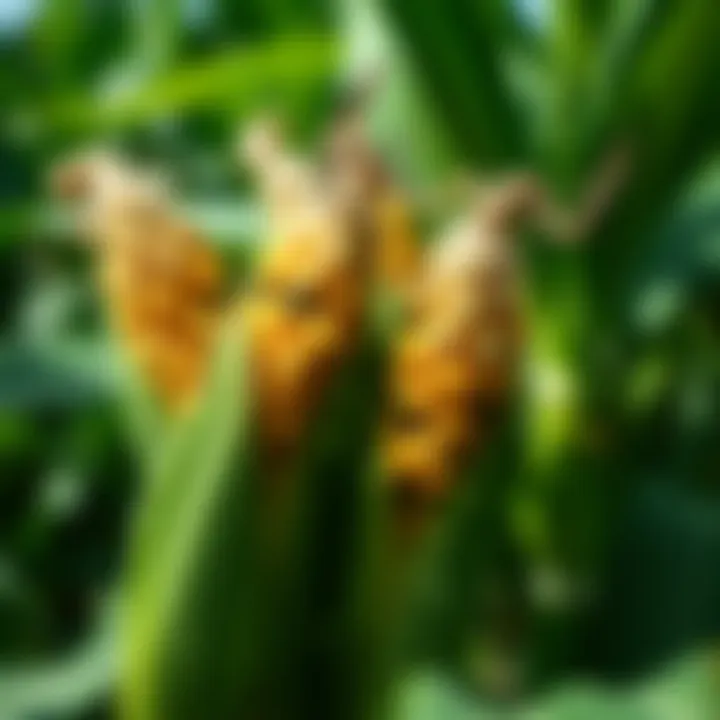
A local corn grower in Northern Germany faces peculiar growths on corn tassels, causing unease among gardening enthusiasts. This marks their third effort at corn cultivation, with hopes for 12 ears this year despite tough soil conditions and a brief growing season.
The Growing Concern
The grower noticed odd knobby formations on the tassels, with a dirt-like substance found inside. This has raised questions about the plants' health and sparked discussions in the local gardening community about potential diseases or infestations.
One participant in the community forum commented, "Likely a type of smut or fungal infection." Another source supported this: "This year has been cool and wet dotted with short hot patches. Got fungus everywhere."
Understanding the Impact on Crop Yields
Concerns about the growths are not unfounded, as they could affect both yield and quality as the growing season progresses. Local gardeners must remain vigilant, especially given the ongoing cool and moist weather that may exacerbate these fungal issues.
Key Themes from Community Feedback
Type of Growth: Observers suggest these could be fungal infections.
Edibility Debate: Some commenters humorously noted that fungus can sometimes be edible.
Gardening Challenges: Sellers are adapting to difficult growing conditions while trying to secure produce in local markets.
“Fungus, completely edible,” quipped one participant, while another joked, “Then I might be the one with the fungus.”
The Path Forward for Local Growers
As the situation unfolds, local growers are advised to monitor their crops closely. The consensus among community voices suggests that proactive strategies, such as crop rotation and organic fungicides, may mitigate potential damage. Experts estimate a 70% chance of success with such tactics.
Reflection on Historical Challenges
The current corn situation echoes events like the Great Potato Blight of the 1840s. That epidemic devastated Ireland’s potato crop due to similar fungal infestations. Today, local gardeners might transform adversity into opportunities to refine their cultivation methods and enhance their sustainable practices, especially under challenging climate conditions.
Key Takeaways
⚠️ Fungal Issues: Likely linked to recent weather patterns.
🌽 Impact on Yields: Potential risks to quality and production.
💡 Strategies for Success: Experts recommend proactive approaches to safeguard crops.