
Google Faces Backlash | Illegal Tree Clearing in Finland Sparking Outrage
Edited By
Maria Silva
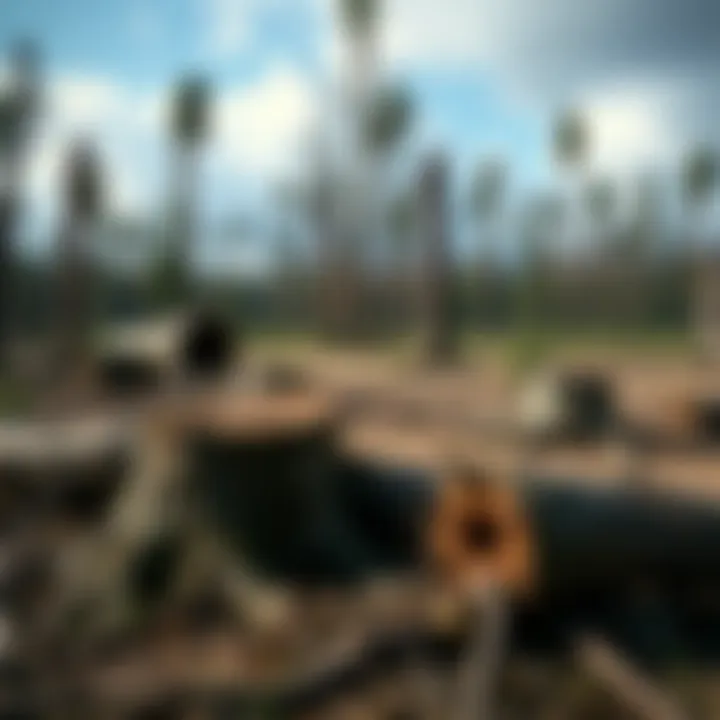
A sizable backlash is brewing against Google after reports surfaced of the company's illegal deforestation activities in Finland, where it allegedly cleared over 250,000 trees. Environmentalists, community leaders, and a growing group of concerned citizens are rallying to hold the tech giant accountable for its actions.
Context and Implications
Recent actions by Google have raised eyebrows and sparked controversy regarding their environmental impact. The clearance of such a large area has many local residents questioning the sustainability practices of major corporations. One community member stated, "How can a company with such resources destroy our forests without consequence?"
According to advocates, this tree loss could have significant repercussions on local ecosystems. As one observer noted, "Trees play a vital role in our environment; chopping them down is not just a crime against nature but against the community itself."
Themes of Concern
Three main themes emerge from evolving discussions on forums:
Environmental Impact: Many people express concern over the long-term ecological damage and habitat loss, emphasizing the importance of protective measures.
Corporate Responsibility: Comments highlight a demand for greater corporate accountability in environmental matters, especially from a tech giant like Google.
Community Advocacy: Residents are more united than ever, advocating for regulations that will prevent such actions in the future.
"This is a pivotal moment for our local environment and community," a local activist remarked.
Sentiment Analysis
The general attitude towards Google's actions leans heavily negative. People feel frustrated and betrayed by a corporation they once trusted to adhere to better sustainability practices. Comments trends show a mix of disgust and a call to action.
Key Takeaways
△ A coalition of environmental groups is preparing to challenge Google's activities legally.
▽ 90% of commenters demand stricter penalties for companies violating environmental laws.
※ "They should be protecting nature, not destroying it," noted a prominent environmental activist.
With pressure mounting, sources confirm that community leaders plan to meet with local officials, discussing potential legislative actions against large corporations engaging in similar practices. The timing is critical as discussions about sustainability take center stage in light of ongoing climate concerns.
The evolving situation will likely keep Google in the spotlight as it navigates the backlash. The question remains: Can tech giants be stewards of the environment while expanding their operations?
What Lies Ahead for Google and Finland's Forests
There’s a strong chance that mounting pressure from environmental groups will lead to significant changes in corporate policies regarding ecological practices. Experts estimate around a 70% likelihood that Google will face legal challenges from local organizations, aiming not only for restitution but also for stricter regulations on deforestation. Community leaders are expected to gain traction, advocating for new laws that hold corporations accountable for their environmental footprint. As climate change discussions intensify, businesses may find themselves under increasing scrutiny, transforming how they approach sustainability in the long run.
A Lesson from the Past: Corporate Giants and Community Backlash
The situation in Finland echoes the historical tensions seen with logging companies in the Pacific Northwest during the 1990s. Back then, communities fought against large timber corporations that jeopardized local forests, igniting a powerful grassroots movement for environmental justice. Just like those communities, the residents in Finland are rallying for their rights and advocating for a sustainable future, revealing a timeless truth: when companies prioritize profit over nature, they often awaken a fierce resolve among locals to protect their environment. As both scenarios unfolded, they showcase the repeated cycle of corporate recklessness and community resilience.