
IHOP's AI Experiment | Food Fails to Impress Customers
Edited By
Ravi Kumar
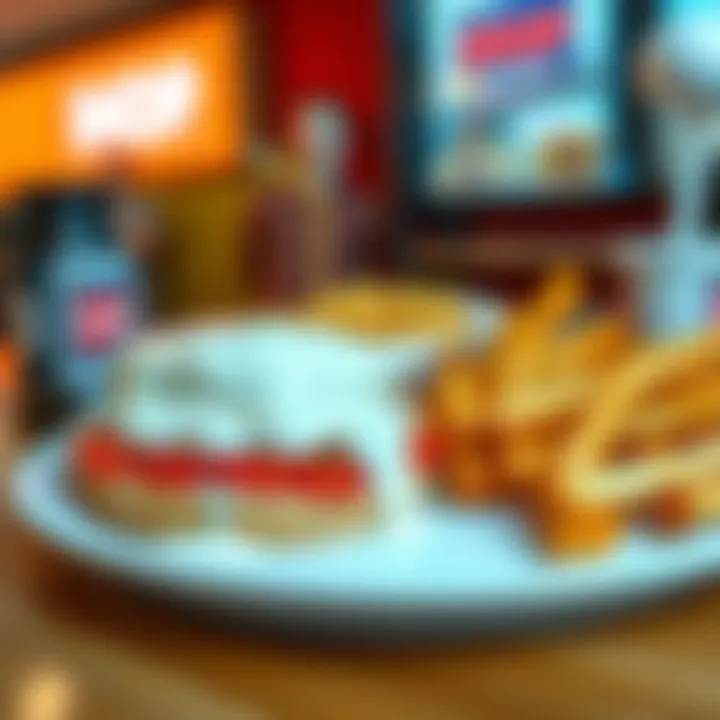
A recent attempt by IHOP to update its menu visuals using artificial intelligence has backfired, with several people criticizing the resulting images as off-putting and unappetizing. Social media forums are buzzing with complaints and jokes about the bizarre AI-generated food.
Consumers Voice Their Displeasure
The fast-food giant's latest food imagery appears to have struck a nerve among customers. Many commenters expressed disbelief at the quality of the images, suggesting that the AI used might be worse than previous displays. One commenter quipped, "This looks like someone used AI to make it look like someone else was using AI." The outlandish designs prompted questions about who approved these images in the first place.
What Went Wrong?
Critics pointed to a pattern among fast-food chains where AI-generated content fails to accurately represent the food. Some users said, "I think it’s down to iterative editing how they still think it looks good." Others joked about the food resembling plastic toys or even pet food, underscoring the overwhelming negative sentiment.
Key Comments Highlighted:
"Meatloaf and mashed potatoes look like maggots and worms."
"If I see AI slop on your menu, I’m not eating there."
"IHOP would not print such an awful-looking menu."
The Fallout for IHOP
As backlash spreads, it raises questions about the effectiveness of AI in culinary representation. While some might argue it's a marketing strategy for engagement, many feel it reflects poorly on the brand's image, making customers wary of ordering. Commenters humorously remarked about the potential for misunderstandings with their menu items, saying, "Are those horseshoes on their meatloaf?" This situation could damage IHOP's reputation among loyal patrons.
Takeaways
🔻 Many find AI-generated images confusing and appealing.
▫️ "Chicken looks like a wicker basket," said one dissatisfied consumer.
🔹 IHOP's branding could be at risk due to this visual misstep.
As IHOP navigates this crisis, one question remains: How will the brand recover from such a public relations mistake, and will we see a shift back to traditional, human-created food images?
Eyes on the Horizon
IHOP’s misstep with AI-generated food images may lead them to reassess their marketing strategies in the coming months. There's a strong chance the brand will revert to traditional photography to restore customer trust and maintain its reputation. Experts estimate around 70% probability that IHOP will engage with food stylists and photographers to create appealing visuals once again. Additionally, they might increase their customer engagement on social media platforms to actively listen and address consumer feedback. As other chains look to capitalize on IHOP's slip-up, we might see a trend shift back toward genuine representations of food in fast food advertising.
A Tasty Reflection from the Past
This predicament mirrors the early days of color television, when many television producers struggled to adapt their productions to a medium that had fundamentally changed how visuals were conveyed. Just as some shows flopped due to poorly conceived color palettes or unsettling designs, IHOP finds itself at a crossroads, needing to rethink its visual approach. Just like that era of television led to a refinement of aesthetics as networks learned from their errors, our modern culinary brands will have to recalibrate their strategies to ensure their customers are not left bewildered by unappealing food imagery.