
Unusual Moth Sparks Curiosity | UK Residents Question Rare Find
Edited By
Olivia Murphy
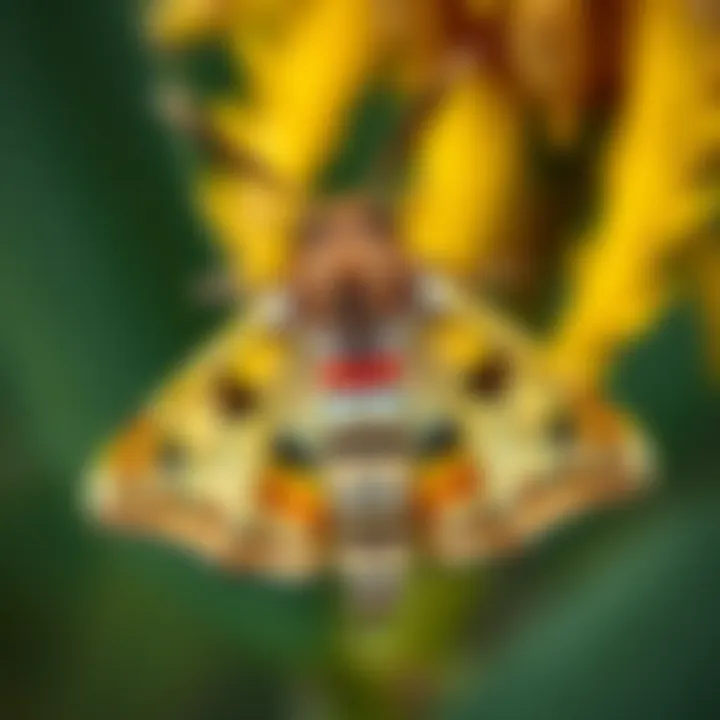
A peculiar moth has caught the attention of people in the UK, prompting questions and insights across various forums. Comments reveal a mix of confusion and fascination regarding this strange creature, igniting discussions about its identity and characteristics.
The Moth in Question
The recent social media buzz has been sparked by a post showcasing a rare moth. The image quality may not be top-notch—"Looks like I’ve taken a photo with a potato"—yet the interest remains high. Some online commenters suggest it resembles a feathered gothic creature, while others confidently identify it as Tholera Decimalis.
Community Engagement
People are actively engaging in speculation, showcasing their knowledge, while also expressing frustration over unclear imagery. One commenter notes, "What a cool fellow," emphasizing the appeal this insect has for viewers, even if the photograph leaves much to be desired.
What’s the Reaction?
This uncommon moth has not only stoked curiosity but also community involvement, with various theories and identifications swirling in the online space. It's a blend of excitement and amateur entomology at play.
"Can't see it clearly enough, but it looks like a feathered gothic."
Sentiment Patterns
The general tone of comments reflects a positive horizon, filled with fascination towards the moth's unique appearance. Unlike standard insect discussions, this one is engaging and light-hearted.
Key Insights
🔍 Community Involvement: People eagerly contribute their views.
🦋 Identification Disputes: Conflicting opinions on the actual species abound.
🎥 Image Quality Concerns: The photograph is criticized for its clarity but doesn’t lessen the intrigue.
The emergence of this unusual moth highlights the ongoing interest in nature and biodiversity among UK residents as they leverage online platforms to share and discuss their findings. What will these keen observers uncover next?
What Lies Ahead for Enthusiasts?
There’s a strong chance that as more people share sightings and engage in discussions about this moth, it could lead to better identification efforts within the community. Increased interaction may result in a higher probability of scientific interest, with experts possibly stepping in to study any new findings. Communities might even organize events or workshops on local biodiversity, inviting people to learn more about their natural surroundings. Given the current enthusiasm, it's reasonable to predict that awareness of rare species could grow by around 30% in the coming months, sparking deeper appreciation and advocacy for conservation efforts.
Echoes from the Past: Unexpected Discoveries
In the early 1900s, the discovery of a new variety of butterfly sparked fervent debates among entomologists, much like today's discussions on the unique moth. It wasn't merely the creature itself but the conversations it ignited that transformed the way communities engaged with nature. Just as a butterfly effect emerged, leading to more structured gatherings and knowledge sharing, today's moth observers might pave the way for a renewed focus on native species and their habitats. The connections formed can lead to rich understandings, reminding us that every creature, no matter how small, contributes to the larger ecosystem.