
Bitcoin QR Code Adds a Twist to Parisian Art | A Mural Under the Louvre Sparks Debate
Edited By
Fatima El-Sayed
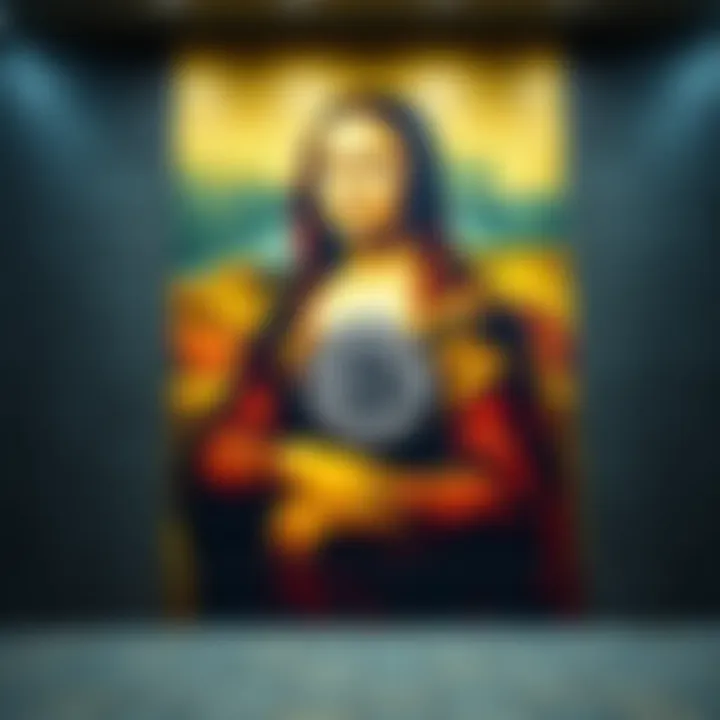
Artists and crypto enthusiasts collide as a newly painted mural titled "The Naked Mona Lisa" surfaces under the Louvre in Paris. Known for integrating Bitcoin into their art, the artist once again adds a QR code amid rising concerns over potential scams.
The contemporary piece is not just a conversation starter for art lovers; it's also stirring talks around cryptocurrency usability. "This is awesome. Great work!" one commenter said, expressing admiration. Others cautioned about possible scamming risks, urging the artist to monitor the QR code carefully. One user noted, "If I were you, I’d check that QR every week to make sure someone hasn’t put their own QR code label on it."
Significance of Integrating Cryptocurrency
This mural continues the trend of public art interacting with blockchain technology, illustrating the ongoing support for peer-to-peer transactions. Since 2017, the artist claims to have had no QR code tampering incidents, suggesting a commitment to maintaining the piece's integrity.
Community Reactions
The comment section is filled with a mix of support and concern:
"Curiously, enough to show P2P use cases for BTC!"
"I can never trust a QR code in public. How can one verify if a QR code is legit?"
Fans appreciate the innovation, while critics emphasize the need for responsibility in a public space.
"About the QR, it never happened on every mural I made with BTC QR codes since 2017," the artist remarked, reflecting on their experience and approach to safety.
A Glimpse into Public Sentiment
Many are aiming to protect their investments in both art and cryptocurrency:
Positive feedback: The talent and creativity are acknowledged by many, commenting on the mural's artistic details.
Neutral worries: Concerns about QR code legitimacy echoed throughout.
Cautions on scamming: Some users expressed that a quick fix could allow for fraudulent activity.
Key Takeaways
💰 The artist's unique approach continues to attract buzz in the crypto community.
🚨 Caution is advised; users express the need for vigilance against potential scams.
🎨 Art meets tech; the mural enhances the Bitcoin discussion among enthusiasts.
As the intersection of art and cryptocurrency evolves, this mural stands as a landmark for both creative expression and digital finance conversation. How will the public's response shape future projects?
The Road Ahead for Art and Cryptocurrency
Looking ahead, there’s a strong chance that more public art will integrate technology like QR codes as artists seek to engage audiences around digital currencies. Experts estimate that at least 60% of upcoming street art projects will incorporate some form of digital interaction, similar to the Naked Mona Lisa. As artists and crypto enthusiasts partner up, expect a rise in collaborative efforts that stress transparency, aiming to alleviate public concerns regarding scams. This evolution could foster greater trust in cryptocurrencies, essentially linking a growing appreciation for art with financial autonomy.
Echoes from a Bygone Era
In a manner very reminiscent of the 1960s counterculture movement, where protest art became a significant voice against the political climate, today's art-spurred cryptocurrency conversations are equally disruptive. Just as artists used murals and public pieces to comment on societal issues back then, the Naked Mona Lisa stands as a modern catalyst, sparking discourse around the implications of digital currency. As in that era of art as activism, now we see artists challenging norms and encouraging dialogue, proving again that creativity can ignite a significant shift in perspectives, one mural at a time.