
Opinions Divide on Slabbing Ancient Coins | Collectors Weigh In
Edited By
Anna Wexler
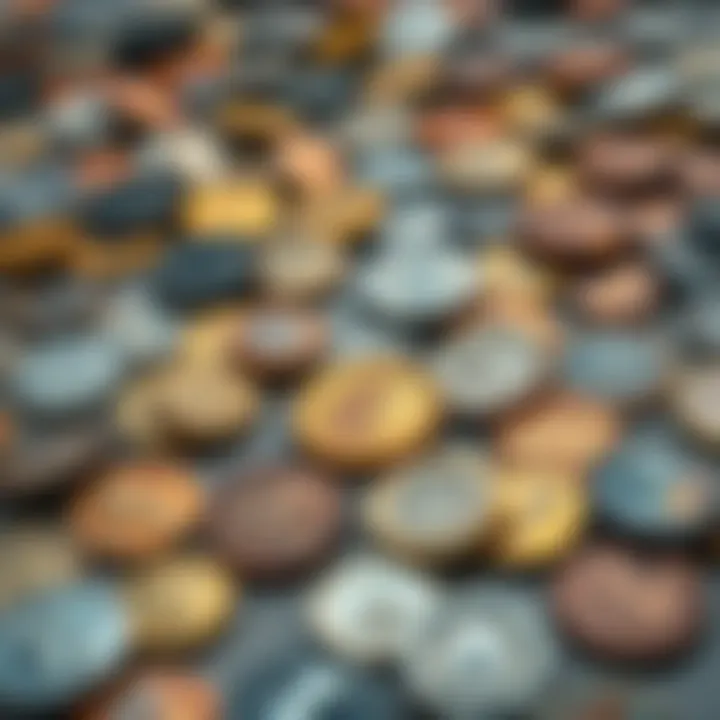
A recent discussion among collectors has sparked vigorous debate over slabbing ancient coins. Many express strong views, both for and against, leading to a significant rift within the community.
Context of the Debate
Collectors have taken to various online forums, sharing their experiences and perspectives on slabbing. While some appreciate the safety and resale value that slabs bring, others argue they detract from the authenticity and tactile enjoyment of handling coins.
One collector stated, "I think it's weird that people personified coins by saying things like they 'freed' it from its 'plastic coffin'" highlighting the divide over the emotional aspects of collecting versus the practical. This sentiment reflects a broader skepticism towards the grading systems that govern slabbed coins.
Key Points of Contention
Grading Accuracy and Authenticity
Many collectors are concerned that the grading process for ancient coins is often inaccurate. "The grading is not accurate for ancients and kind of pointless anyway," one user noted, emphasizing hesitancy about relying on third-party assessments.
Economic Impact
Another strong sentiment revolves around how slabbing affects coin values and the market. "I don’t hate slabs, I hate how slabs have affected prices," expressed a concerned collector. This perspective reflects the view that the market has evolved into a profit-driven environment rather than focusing solely on historical value.
Personal Preference in Collecting
Catchy opinions echo throughout the discussions, with one individual mentioning, "I like being able to hold my coins in my hand", which contrasts sharply with those who favor slabs for protection.
Sentiment Patterns
Opinions vary widely, but key themes include:
Discontent about grading accuracy: Many feel grading doesn't reflect true coin conditions.
Preference for handling coins: A segment values the tactile experience of non-slabbed coins.
Economic concerns: High prices for graded coins often alienate collectors looking for fair value.
Notable Quotes
"Collect however you want; just take care of them."
"Some folks really like graded coins because they are easy to show, trade, or sell."
Insightful Takeaways
🔍 Collectors split on slab value: Some cherish them for protection, others detest their market influence.
💰 Economic implications loom large: Slabbing can inflate prices, leading to frustrated collectors.
🏆 Personal choice reigns: Most agree, how you collect is a personal journey.
The conversation around slabbing continues to evolve, reflecting broader trends in the collecting community. As the debate heats up, it’s clear that this is more than a simple disagreement; it's a complex intersection of values and market dynamics.
What Lies Ahead for Collectors
As the debate around slabbing ancient coins continues, collectors are likely to see a stronger push towards alternative grading methods or even new platforms that prioritize transparency and community-led evaluations. There's a solid chance that within the next few years, we could see a rise in DIY grading tools emerging in forums, which would allow collectors to assess their coins based on shared community knowledge rather than relying solely on third-party services. Experts estimate around a 65% probability that these new trends will shift the conversation back to the coins’ historical contexts, reducing reliance on slabs and potentially stabilizing or lowering prices in the market.
A Parallel in Changing Tastes
Consider the evolution of vinyl records in the music world. Just as collectors of music initially pushed back against the advent of compact discs, fearing the loss of the authentic listening experience, today's coin collectors are voicing similar concerns about slabbing. Over time, vinyl gained a resurgence, thanks in part to a desire for that tactile experience of handling records—an experience that digital formats could never replicate. This parallel illustrates how communities can transform their appreciation based on shared values, ultimately reshaping the market landscape, much like what collectors are currently grappling with regarding ancient coins.