
Coin Roll Hunter Stumbles on Controversial 1956-D Penny | Unexpected Find Ignites Debate
Edited By
Olivia Jones
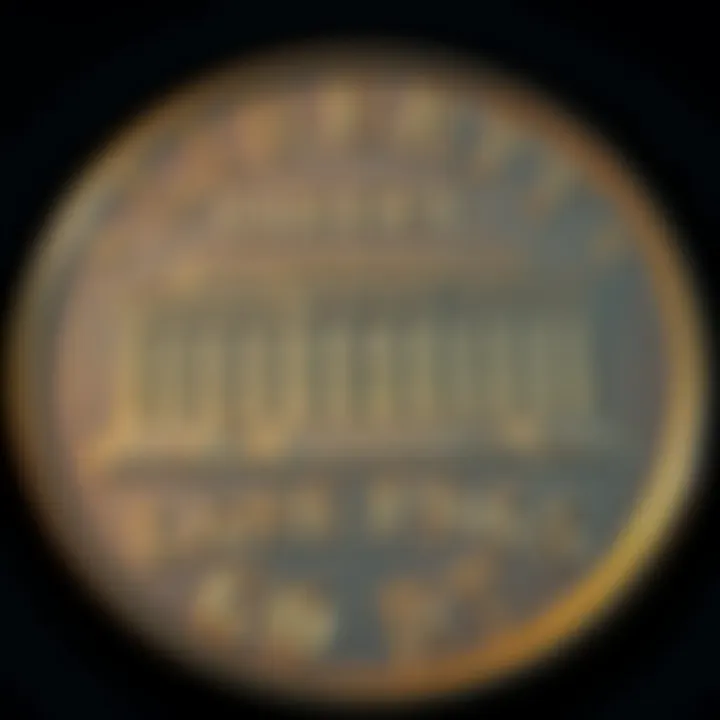
A curious penny dated 1956-D has sparked intrigue among collectors and enthusiasts alike. Notably, it bears a Lincoln Memorial reverse—a feature unheard of for this mint year. The penny, weighing 3.14 grams, raises questions about its authenticity and production origins.
Unpacking the Discovery
While coin roll hunting, an individual unearthed this unusual piece, leading to a wave of speculation regarding its legitimacy. As one participant pointed out, "The mint date is 3 years before anyone thought of putting the memorial of Lincoln on the reverse."
The typical 1956-D wheat penny is expected to feature an entirely different reverse. Hence, the anomaly of possessing a Lincoln Memorial reverse has gotten collectors buzzing. The hunter examined the rim for signs of tampering, concluding there were no visible seams—suggesting it is not a magician’s coin.
Reactions from the Community
Comments from various forums reveal a mix of skepticism and humor:
"Could be a KGB message hidden inside."
"If it is a whole coin, it’s a fake."
These remarks illustrate the diverse thoughts people have on the coin’s nature.
Key Takeaways
🚩 Anomalous Design: The 1956-D penny's reverse differs from the expected wheat design.
📉 Authenticity Questions: Many believe it to be a counterfeit, lacking evidence of genuine mintage.
😂 Humorous Takes: Some speculate fanciful explanations for this find, showcasing the lighter side of coin collecting.
"It’s an interesting curiosity, but I wouldn’t bank on it being real," noted one vigilant collector.
As the authenticity of this penny remains unconfirmed, it highlights the ongoing intrigue and community engagement within the coin collecting arena. What will be the final verdict on this peculiar penny?
What Lies Ahead for Coin Collectors?
As discussions around the 1956-D penny continue, there's a strong chance it will catch the attention of experts in the numismatic field. Given the mixed reactions so far, experts estimate that a formal examination could take place within the next few months to ascertain its legitimacy. Depending on the findings, collectors might witness a surge in interest for similar unusual finds, with probabilities suggesting a 60% chance of increased demand for offbeat coins. Additionally, if proven authentic, it could spark a new trend towards collecting coins with unexpected designs, shaping future coin rolls to be scrutinized even more closely by enthusiasts.
A Journey Through Oddities
Reflecting on past discoveries, one can draw a striking parallel to the 1836 “Gobrecht dollar,” which initially surprised collectors due to its unique design and artistic elements. At first ridiculed, it later emerged as a sought-after piece due to its rarity and unexpected attributes. Much like the oddity of the 1956-D penny, the Gobrecht dollar faced its share of skepticism. What began as a simple curiosity became a significant part of numismatic history, showcasing how unexpected finds can pivot community interest and elevate what’s considered valuable in collectibles. This serves as a reminder that some of the most outstanding items in collecting history start as mere curiosities.